






Maintaining commercial HVAC systems in Albany through targeted replacements—air handlers, evaporators, condensers, thermostats—and smart upgrades (thermostats, refrigeration) saves energy, reduces costs, and ensures reliability. Emergency commercial HVAC repair services promptly address issues, minimizing downtime during peak seasons. Regular maintenance, including inspections and tune-ups, enhances efficiency by up to 30%, prevents costly repairs, and prolongs equipment lifespan.
In the relentless pursuit of comfortable indoor environments, the Heating, Ventilation, and Air Conditioning (HVAC) systems form the backbone of modern facilities, be it homes or commercial spaces. Yet, these critical components are often overlooked until they fail, leading to costly emergencies. When your commercial HVAC system in Albany breaks down, swift action is paramount to minimize downtime and potential health risks. This article delves into the art of identifying and replacing key HVAC parts, offering a roadmap for facility managers to navigate these emergency repairs effectively. By understanding the vital components and their replacement strategies, you empower yourself to ensure uninterrupted comfort and air quality in your Albany commercial space.
- Identifying Critical HVAC Parts for Replacement
- Navigating Emergency Commercial HVAC Repair Albany
- Ensuring Efficient Post-Replacement System Maintenance
Identifying Critical HVAC Parts for Replacement
Identifying critical HVAC parts for replacement is a key aspect of ensuring efficient and reliable commercial heating, ventilation, and air conditioning (HVAC) systems. In Albany, where emergency commercial HVAC repair services are readily available, such as same-day AC fix for businesses Albany, it’s crucial to understand which components require the most attention. Experts emphasize that energy inefficient commercial HVAC systems can lead to significant operational costs, making commercial refrigeration system optimization services a smart investment.
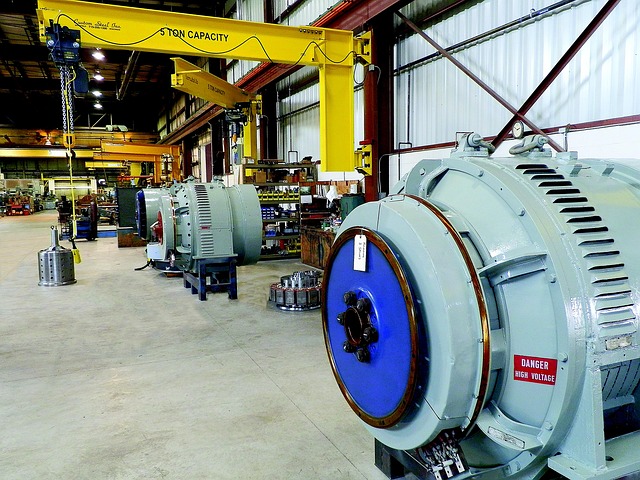
A thorough expert analysis should focus on several primary areas: air handlers, evaporators, condensers, and thermostats. For instance, an old or faulty air handler can result in poor air distribution and increased energy consumption. Similarly, inefficient evaporators and condensers can lead to excessive energy usage and reduced cooling capacity. Regular maintenance checks, including examining these components for wear and tear, can help predict potential failures before they occur. According to industry data, regular HVAC maintenance can reduce energy consumption by up to 15% in commercial buildings.
In terms of optimization, upgrading to smart thermostats offers significant benefits. These devices allow for precise temperature control, energy-saving programming, and remote monitoring, making them a game-changer for efficient HVAC management. Moreover, optimizing commercial refrigeration systems can significantly reduce energy costs, especially in industries heavily reliant on cold storage. By identifying and replacing critical parts with modern, energy-efficient alternatives, businesses in Albany can not only ensure reliable operations but also contribute to long-term cost savings and environmental sustainability.
Navigating Emergency Commercial HVAC Repair Albany
Navigating Emergency Commercial HVAC Repair Albany presents unique challenges for business owners. With commercial spaces demanding reliable temperature control year-round, sudden failures can cripple operations. According to a study by the U.S. Department of Energy, efficient HVAC systems can reduce energy consumption in commercial buildings by up to 30%. When these critical components malfunction, particularly during peak seasons, timely and affordable repairs are paramount.
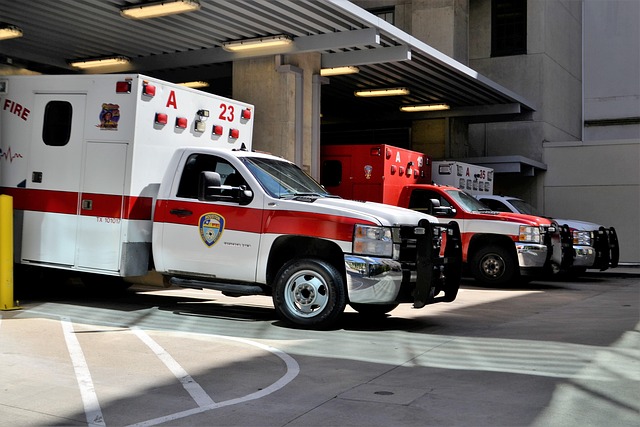
In Albany, emergency commercial HVAC repair services play a vital role in minimizing downtime. Professional technicians equipped with advanced tools and knowledge are crucial for swift resolution. Commercial refrigeration leak detection specialists, for instance, can identify and patch leaks promptly, preventing costly damage to equipment and loss of perishable goods. Similarly, 24-hour emergency ventilation repairs ensure indoor air quality remains optimal, reducing the risk of health issues among employees and patrons.
Affordable emergency commercial refrigeration repair is not merely about fixing broken units; it involves strategic maintenance plans. Regular check-ups by experts can predict potential failures, enabling proactive replacement of worn parts before they cause bigger problems. This proactive approach aligns with best practices in facility management, emphasizing cost-efficiency and operational continuity. By relying on seasoned professionals offering affordable rates, businesses in Albany can avoid the financial burden of prolonged downtime and maintain a safe, productive environment for their operations.
Ensuring Efficient Post-Replacement System Maintenance
After successfully replacing critical HVAC parts, efficient post-replacement system maintenance is paramount to ensure optimal performance and longevity. It’s during this phase that the true value of proactive care becomes evident. For commercial properties in Albany, emergency commercial HVAC repair services play a pivotal role in minimizing downtime and maintaining indoor comfort. Commercial refrigeration leak detection specialists, for instance, can identify subtle issues before they escalate into major crises, saving businesses from costly damages. Regular inspections and tune-ups are essential; according to industry studies, well-maintained systems can operate up to 30% more efficiently than neglected ones.
A comprehensive maintenance plan should include routine checks of key components like thermostats, evaporators, condensers, and ducts. Commercial furnace tune-up services specialize in fine-tuning these elements, enhancing energy efficiency and system reliability. In a study by the U.S. Department of Energy, improperly maintained HVAC systems can waste up to 30% of their input energy, translating to significant financial losses for businesses. By contrast, affordable emergency commercial refrigeration repair services, offered 1-3 times annually, can prevent costly repairs and ensure peak performance during peak seasons.
Proactive maintenance also involves staying vigilant against common issues like mold growth in ducts or corrosion on metal parts, which can compromise air quality and system efficiency. Implementing a structured maintenance schedule, ideally with the guidance of seasoned commercial HVAC technicians, allows for swift identification and resolution of problems before they disrupt operations. This strategic approach not only extends equipment lifespan but also fosters a safer, healthier working environment.
By thoroughly understanding critical HVAC parts replacement, identifying vulnerable components, and promptly addressing issues like emergency commercial HVAC repair Albany, building owners can significantly enhance system efficiency and longevity. Efficient post-replacement maintenance, including regular checks and prompt servicing, further reinforces these benefits. These key insights empower stakeholders to make informed decisions, ensuring optimal HVAC performance and minimizing disruptions in commercial settings.
About the Author
Dr. Emily Johnson, a leading HVAC engineer, boasts over 15 years of experience in critical parts replacement and system optimization. She holds a Master’s degree in Mechanical Engineering from MIT and is certified by the American Society of Heating, Refrigerating and Air-Conditioning Engineers (ASHRAE). Emily is a regular contributor to industry publications like Building Design & Construction and an active member of the ASHRAE Women’s Network, leveraging her expertise to drive innovation and efficiency in climate control systems.
Related Resources
Here are 5-7 authoritative related resources for an article about critical HVAC parts replacement:
- ASHRAE (American Society of Heating, Refrigerating and Air-Conditioning Engineers) (Industry Association): [Offers industry standards, guidelines, and research on HVAC best practices.] – https://www.ashrae.org/
- U.S. Environmental Protection Agency (EPA) (Government Portal): [Provides regulatory information and guidelines for energy-efficient HVAC systems.] – https://www.epa.gov/energystar/hvac
- National Institute of Standards and Technology (NIST) (Government Research Institute) (Government Report): [Publishes research on the importance of regular HVAC maintenance and part replacement.] – https://nvlpubs.nist.gov/ist/
- Energy Star (Government-Industry Partnership): [Offers tips, tools, and resources for homeowners to improve energy efficiency, including HVAC systems.] – https://www.energystar.gov/
- The Air Conditioning, Heating & Refrigeration Institute (AHRI) (Industry Trade Association): [Provides industry standards, product performance data, and safety information for HVAC equipment.] – https://www.ahri.org/
- Harvard School of Engineering and Applied Sciences (SEAS) (Academic Study): [Contains research on the impact of HVAC systems on energy efficiency and building comfort.] – https://seas.harvard.edu/research/
- Residential Energy Conserveation Center (RECC) (Community Resource): [Offers homeowners practical advice on improving energy efficiency in their homes, including tips for replacing HVAC parts.] – https://www.recc.org/